
Best Semi-Trailers for Different Industries (Construction, Freight, Agriculture)
Choosing the best semi-trailers for business needs is one of the most important decisions a company can make when managing heavy equipment, materials, freight, or agricultural products. The right trailer can improve loading efficiency, protect cargo, support safer transportation, and reduce unnecessary delays across daily operations. Because every industry has different hauling demands, there is no single trailer type that works perfectly for every company. A construction business moving machinery has different requirements than a freight carrier handling palletized goods or a farm transporting grain, hay, or livestock. Understanding which trailer designs fit each application can help business owners, fleet managers, and operators make smarter long-term decisions.
Semi-trailers are built with specific functions in mind. Some are designed for open-deck hauling, while others provide enclosed protection. Some are ideal for loose bulk materials, and others are built to support large machinery or temperature-sensitive goods. For businesses in construction, freight, agriculture, and related industries, selecting the right trailer is about more than capacity. It is about matching the trailer to the work, the route, the cargo, and the conditions it will face.
Why Choosing the Right Semi-Trailer Matters
A semi-trailer is more than a piece of transportation equipment. It is a working asset that directly affects productivity, scheduling, safety, and operating costs. When a business uses the wrong trailer for a job, loading can take longer, cargo may be harder to secure, and equipment may experience unnecessary strain. Over time, these issues can affect delivery timelines and create avoidable maintenance needs.
The right semi-trailer helps businesses:
- Move cargo more efficiently
- Protect valuable materials and equipment
- Improve loading and unloading processes
- Better overall trailer performance
- Support safer hauling practices
- Reduce operational delays
- Match trailer capabilities to jobsite or route demands
- Extend the useful life of fleet equipment through proper application
For companies that depend on transportation every day, these benefits can make a major difference. Whether a business is hauling building materials, retail freight, farm products, or specialized equipment, the trailer should fit the cargo and the working environment.
Best Semi-Trailers for the Construction Industry
Construction businesses often handle heavy, oversized, irregularly shaped, or rugged materials. Equipment may need to move from one jobsite to another, while building materials must be transported safely and efficiently. Because construction work can involve rough conditions and demanding schedules, trailers in this industry need to be strong, practical, and versatile.
Flatbed Trailers for Construction Materials
Flatbed trailers are among the most common choices for construction companies because they offer open access from the sides, rear, and above. This makes them useful for hauling materials that do not require enclosure and can be loaded with cranes, forklifts, or other equipment.
Flatbed trailers are commonly used to transport:
- Lumber
- Steel beams
- Pipe
- Concrete forms
- Palletized building materials
- Scaffolding
- Jobsite supplies
Their open design makes loading flexible, especially when materials are long, wide, or awkwardly shaped. A flatbed is often a good choice when the cargo can be properly secured and does not need protection from weather during transport
Step Deck Trailers for Taller Equipment
Step deck trailers, also called drop deck trailers, are useful when construction companies need to move taller equipment or materials while staying within height requirements. These trailers have a lower rear deck than standard flatbeds, making them practical for cargo that would sit too high on a traditional flatbed.
Step deck trailers are often used for:
- Small to mid-sized construction machinery
- Building components
- Tall crates
- Industrial equipment
- Oversized materials
The lower deck height can make step deck trailers a valuable option for businesses that frequently move loads with height concerns. They also provide much of the same open-deck flexibility that makes flatbeds useful.
Lowboy Trailers for Heavy Equipment
Lowboy trailers are designed for heavy and oversized machinery. They sit lower to the ground than many other trailer types, which allows them to carry tall, heavy equipment while improving overall transport practicality. For construction companies, lowboys are often essential for moving large machines between job sites.
Lowboy trailers may be used to haul:
- Excavators
- Bulldozers
- Loaders
- Graders
- Pavers
- Heavy jobsite machinery
The strength and low deck height of a lowboy make it one of the best options for heavy-duty construction hauling. Businesses that regularly move large machinery often rely on lowboy trailers because they are built specifically for challenging equipment transport.
Dump Trailers for Loose Materials
Construction work often involves loose materials that must be loaded, hauled, and unloaded quickly. Dump trailers are built for these types of tasks. Their hydraulic lifting systems make unloading faster and more efficient than manual unloading or equipment-assisted removal.
Dump trailers are commonly used for:
- Gravel
- Sand
- Dirt
- Demolition debris
- Rock
- Asphalt
- Landscaping materials
For construction companies, dump trailers can improve productivity by reducing unloading time. They are especially useful for jobs that require repeated hauling of loose bulk materials.
Best Semi-Trailers for the Freight Industry
The freight industry covers a wide range of cargo types, from packaged goods and retail products to machinery, food products, and specialized shipments. Freight companies need trailers that support efficiency, cargo protection, and consistent performance across regional, long-haul, and distribution routes.
Dry Van Trailers for General Freight
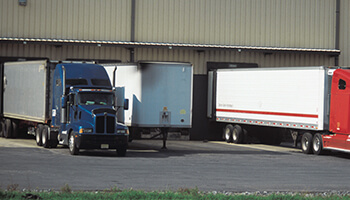
Dry van trailers are one of the most widely used trailer types in the freight industry. Their enclosed design protects cargo from weather, road debris, and general exposure. They are ideal for goods that do not require temperature control but do need a secure enclosed space.
Dry van trailers are often used for:
- Boxed goods
- Palletized freight
- Retail merchandise
- Furniture
- Electronics
- Paper products
- Non-perishable packaged items
For freight carriers, dry vans are practical because they can handle many different types of cargo. Their versatility makes them a core part of many fleets, especially for businesses that transport general freight.
Refrigerated Trailers for Temperature-Sensitive Freight
Refrigerated trailers, often called reefers, are designed to transport goods that must stay within a controlled temperature range. These trailers are important for industries that move perishable products or temperature-sensitive materials.
Refrigerated trailers are commonly used for:
- Fresh produce
- Frozen foods
- Dairy products
- Meat and seafood
- Flowers
- Pharmaceuticals
- Certain chemicals and specialty products
The key advantage of a refrigerated trailer is temperature control. For freight companies serving grocery, food distribution, medical, or floral industries, reefers help protect product quality during transit.
Conestoga Trailers for Protected Open-Deck Freight
A Conestoga trailer combines some of the benefits of flatbed hauling with the protection of a covered system. It uses a sliding tarp structure that can be moved to allow loading from the sides, rear, or top. This makes it useful for cargo that is difficult to load into a dry van but still needs protection during transport.
Conestoga trailers may be used for:
- Machinery
- Steel products
- Building materials
- Crated equipment
- Sensitive open-deck freight
For freight companies that need flexibility and cargo protection, Conestoga trailers can be a strong option. They are especially helpful when cargo cannot easily be loaded through traditional enclosed trailer doors.
Curtainside Trailers for Fast Access
Curtainside trailers are designed with flexible side curtains that can be opened for easier loading and unloading. They provide side access while still offering protection from the elements. This makes them useful for freight operations that require frequent stops or quick access to cargo.
Curtainside trailers are often used for:
- Packaged goods
- Building supplies
- Beverage products
- Industrial materials
- Regional delivery freight
Their side-opening design can make loading more efficient, especially when forklifts are used regularly. For freight businesses focused on distribution and route efficiency, curtainside trailers can be a practical solution.
Best Semi-Trailers for the Agriculture Industry
Agriculture places unique demands on trailers because cargo can vary widely by season, product type, and destination. Farms and agricultural businesses may need to move crops, livestock, equipment, feed, or bulk materials. The best trailer choice depends on the farm’s operation, the type of product being transported, and how often hauling is required.
Hopper Bottom Trailers for Grain and Bulk Crops
Hopper bottom trailers are widely used in agriculture because they are designed to transport and unload loose dry bulk products. Their sloped-bottom design allows cargo to flow out through the bottom openings, which helps make unloading efficient.
Hopper bottom trailers are commonly used for:
- Corn
- Wheat
- Soybeans
- Barley
- Oats
- Other dry bulk crops
For grain producers and agricultural haulers, hopper bottom trailers are often one of the most efficient choices. They help streamline harvest-season hauling and make unloading at elevators, storage facilities, and processing locations more practical.
Livestock Trailers for Animal Transport
Livestock trailers are built specifically for transporting animals safely and securely. They are designed with ventilation, interior partitions, and durable construction to support animal movement during transit.
Livestock trailers may be used to transport:
- Cattle
- Hogs
- Sheep
- Goats
- Horses
- Other farm animals
Because animal transport requires careful planning, livestock trailers must be appropriate for the species, group size, and travel distance. Proper trailer selection supports both safety and comfort during transport.
Flatbed Trailers for Hay, Equipment, and Supplies
Flatbed trailers are also useful in agriculture because farms often need a flexible way to transport large, bulky, or irregular loads. Like construction operations, agricultural businesses benefit from the open access that flatbeds provide.
Agricultural flatbeds may be used for:
- Hay bales
- Farm equipment
- Feed
- Fencing materials
- Irrigation components
- Palletized supplies
A flatbed is often a practical all-purpose trailer for farms that need flexibility. It may not be specialized for one specific crop or material, but it can serve many different hauling needs throughout the year.
Belt Trailers for Efficient Bulk Material Handling
Belt trailers are used to move bulk materials and unload them with a conveyor-style system. In agriculture, they can be useful for products that require controlled unloading without tipping the trailer body.
Belt trailers may be used for:
- Silage
- Feed
- Compost
- Mulch
- Agricultural byproducts
- Certain crop materials
Their unloading system can be especially valuable in locations where overhead clearance is limited or where controlled material placement is important.
Matching Trailer Type to Business Needs
Selecting a semi-trailer should always begin with a clear understanding of the cargo and the operating environment. A company should consider not only what it hauls today, but also what it may need to haul in the future. A trailer that is too specialized may limit flexibility, while a trailer that is too general may not perform well for demanding applications.
Before choosing a semi-trailer, businesses should evaluate:
- Cargo type, size, and weight
- Loading and unloading methods
- Route distance and road conditions
- Weather exposure concerns
- Frequency of use
- Industry-specific safety requirements
- Storage and facility limitations
- Long-term maintenance expectations
For example, a construction company that mainly hauls loose material may benefit from dump trailers, while a company moving heavy machinery may need lowboys or step decks. A freight carrier handling retail merchandise may rely on dry vans, while a food distributor may require refrigerated trailers. A grain operation may need hopper bottoms, while a diversified farm may benefit from flatbeds or belt trailers.
Maintenance Considerations by Industry
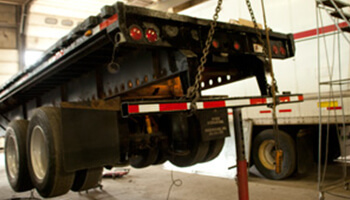
Every trailer requires consistent care to remain dependable, but maintenance needs can vary depending on how the trailer is used. Construction trailers may face rough job sites, heavy loads, and frequent debris exposure. Freight trailers may see high mileage and tight delivery schedules. Agricultural trailers may work heavily during certain seasons and sit idle during others.
Businesses should pay close attention to:
- Structural components
- Brakes and suspension
- Lighting and electrical systems
- Couplers, landing gear, and connection points
- Doors, gates, ramps, and tarping systems
- Hydraulic systems where applicable
- Floors, decking, and interior surfaces
- Refrigeration units on temperature-controlled trailers
Preventive maintenance helps businesses identify small concerns before they become bigger problems. It also supports safer operation and reduces the risk of unexpected downtime. For companies that rely on trailers every day, a proactive maintenance schedule is one of the best ways to protect productivity and equipment value.
The Value of Working With a Knowledgeable Trailer Service Partner
Choosing the right trailer is important, but keeping that trailer in reliable condition is just as essential. A knowledgeable trailer service partner can help businesses maintain equipment, address repairs, and prepare trailers for demanding workloads. This is especially important for companies operating across construction, freight, and agriculture, where downtime can affect job schedules, delivery commitments, and seasonal productivity.
A reliable trailer service provider can assist with:
- Preventive maintenance planning
- General trailer repairs
- Emergency service needs
- Safety inspections
- Brake, electrical, suspension, and structural service
- Door, ramp, gate, and deck repairs
- Specialized trailer system support
When trailers are maintained by experienced professionals, businesses can operate with greater confidence. The goal is not only to fix problems when they happen, but to help prevent issues that could interrupt operations.
FAQ
What is the most versatile semi-trailer for business use?
A flatbed trailer is one of the most versatile options because it can haul many types of cargo, including building materials, farm supplies, equipment, and oversized items. However, it may not be the best choice for cargo that needs enclosure or temperature control.
Which semi-trailer is best for hauling heavy construction equipment?
Lowboy trailers are often the best choice for heavy construction equipment because they are built for large machinery and have a lower deck height that helps with taller loads.
What trailer is best for general freight?
Dry van trailers are commonly used for general freight because they provide enclosed protection and can carry a wide range of packaged, boxed, and palletized goods.
When should a business use a refrigerated trailer?
A refrigerated trailer should be used when cargo must remain within a specific temperature range. This includes many food products, flowers, pharmaceuticals, and other temperature-sensitive goods.
What type of trailer is commonly used for grain hauling?
Hopper bottom trailers are commonly used for grain hauling because they are designed for dry bulk crops and allow efficient unloading through bottom openings.
Are dump trailers useful outside construction?
Yes. Dump trailers can also be useful in agriculture, landscaping, and material supply operations where loose bulk materials need to be transported and unloaded efficiently.
How should a company choose the right semi-trailer?
A company should consider cargo type, weight, loading method, unloading needs, route conditions, weather exposure, and long-term maintenance requirements before choosing a trailer.
Why is preventive maintenance important for semi-trailers?
Preventive maintenance helps identify issues early, supports safe operation, reduces downtime, and helps extend the service life of the trailer.
Call Northwest Trailer for Trailer Repair and Maintenance
The best semi-trailer for your business depends on your industry, your cargo, and the demands of your daily operations. Construction companies may need flatbeds, step decks, lowboys, or dump trailers. Freight carriers may rely on dry vans, refrigerated trailers, Conestoga trailers, or curtainside models. Agricultural businesses may benefit from hopper bottoms, livestock trailers, flatbeds, or belt trailers. No matter which trailer type your company uses, proper maintenance and timely repairs are essential to keeping your fleet safe, efficient, and ready for the road.
At Northwest Trailer, we are not just a repair shop; we are a partner in keeping your trailers safe, efficient, and ready for the road. Whether you need preventive maintenance, emergency repairs, or anything in between, our skilled team is here to help. Contact us today to learn more about our services, schedule an appointment, or speak with one of our friendly team members. Let us show you why we are the trusted choice for trailer repairs and maintenance in Toledo and Detroit.